
Our Short List of 3

- Chemistry: alkaline, 1.5 volts nominal
- Pack size on this listing: 28 cells in a re-closable pack
- Model: E91LP-16
- Chemistry: alkaline, 1.5 volts nominal
- Pack size on this listing: 16 cells
- Model: L91BP-8
- Chemistry: lithium iron disulfide, 1.5 volts nominal
- Pack size on this listing: 8 cells
All 4 Picks at a Glance
| Product | Specs | Action |
|---|---|---|
| 1. Duracell Coppertop AA, 28-count pack — the household staple |
| Check price on Amazon |
| 2. Energizer MAX AA, 16-count pack — the other safe pair of hands |
| Check price on Amazon |
| 3. Energizer Ultimate Lithium AA, 8-count pack — for cameras, cold weather and long rests |
| Check price on Amazon |
 4. Panasonic eneloop AA, 4-count pack — the rechargeable route |
| Check price on Amazon |
Key takeaways
- Looking for the best place to purchase AA batteries? Compare online marketplaces, warehouse clubs, drugstores and brand stores by freshness, pack size and returns, plus four AA picks to start with.
As an Amazon Associate we earn from qualifying purchases.
Affiliate Disclosure: This article contains affiliate links. If you buy through a link on this page, we may earn a commission at no extra cost to you. Product names, specifications and availability are taken from the manufacturer’s and retailer’s product pages at the time of writing, and we have not personally tested the products listed here.
Why the place you buy AA batteries matters more than the brand on the pack
AA batteries look like the simplest purchase in the world. Every shop sells them, every brand promises long life, and the cells themselves have not changed shape in decades. Yet two packs with the same label can behave very differently in your remote, flashlight or camera, and the difference usually comes down to where and how you bought them rather than which logo is printed on the wrapper.
The reason is shelf life and storage. An alkaline AA cell starts losing capacity the day it is made, slowly at first and faster in heat. A pack that sat in a warm stockroom or on a sunlit shelf for years will still light a remote, but it will fade sooner in a demanding device and is more likely to leak at the end of its life. A high-turnover seller moves stock quickly, so the pack you receive is usually fresher. A low-turnover seller, a marketplace listing from an unknown third party, or a bargain bin of loose cells carries more risk, even when the brand is a good one.
So the real question behind “best place to purchase aa batteries” is not which single shop wins. It is which type of seller fits the way you use batteries, and what checks to run before you pay. This guide walks through the main buying channels, the checks that separate a fresh pack from a tired one, and then finishes with a short list of specific AA products worth considering, each matched to a common use case.
The main places to buy AA batteries, compared honestly
Large online marketplaces
A large online marketplace is the default choice for most households, and for good reasons. Selection is the widest anywhere: alkaline, lithium and rechargeable AA cells from every major brand, in pack sizes from a handful of cells to bulk cartons. Delivery is fast, reordering a pack you already trust takes seconds, and customer reviews give you a rough sense of whether a particular listing ships fresh stock or old inventory.
The weakness is seller quality. The same product page can be fulfilled by the platform itself or by third-party sellers whose storage conditions you know nothing about. Before ordering, check who actually sells and ships the item, look at recent reviews mentioning expiry dates or dead cells on arrival, and prefer listings sold by the brand’s own storefront or by the platform itself. Also check the date code question in the product questions section, because buyers often report the year printed on the cells they received.
The brand’s own online store
Buying from the manufacturer’s own store removes the middleman problem entirely. Stock comes straight from the brand’s distribution chain, date codes tend to be the freshest available, and the full range is present, including professional lines that general retailers do not stock. The trade-offs are a narrower catalogue, since each store sells only its own brand, and delivery that can be slower or carry a minimum order for free shipping. This channel suits buyers who have already settled on one brand and simply want the freshest version of it.
Warehouse clubs
Warehouse clubs are built for households and small businesses that burn through batteries: school groups, offices, holiday lighting, fleets of wireless mice and keyboards. The packs are large, the turnover is high because members buy in volume, and the per-cell cost structure rewards bulk buying without us spelling out figures here. The catch is the membership requirement and the pack size itself. A giant carton is only a sensible buy if your devices will use the cells well within their storage life. For a household that uses a dozen AA cells a year, a smaller pack from a regular retailer is the smarter purchase.
Drugstores and convenience stores
The corner drugstore is the emergency channel, and there is no shame in using it that way. When the smoke alarm chirps at midnight or the torch dies during a power cut, the best place to purchase AA batteries is the one that is open. You will find the two or three biggest brands in small packs, stock usually turns over steadily in busy locations, and there are no shipping waits or minimum orders. What you give up is choice: rechargeable and lithium AA cells are often absent, pack sizes are small, and you are paying for immediacy rather than value. Treat this channel as a top-up, not your main supply.
Home improvement and hardware stores
Hardware chains deserve more credit than they get for batteries. Their professional ranges, the same lines sold to tradespeople and facilities managers, are stocked in quantity and rotate quickly because contractors buy them constantly. If you want a workhorse alkaline cell for jobsite lights, testers and tools, the hardware aisle is a strong option, and seasonal displays often include lithium AA cells for outdoor devices such as trail cameras and smart locks. Selection of rechargeable systems varies by chain, so check before making a special trip.
Office supply and electronics retailers
Electronics retailers are the natural home of rechargeable AA systems. Chargers, multi-bay charging stations and high-capacity nickel-metal hydride cells are stocked alongside the cameras and game controllers that use them, and staff can usually tell you which charger pairs with which cells. Prices on plain alkaline packs are rarely the attraction here; the value is in getting the rechargeable ecosystem right the first time, with a charger that handles the cell count you actually own.
Six checks to run before you buy, wherever you buy
First, check the date. Alkaline AA brands print a storage guarantee or a use-by year on the pack. Duracell, for example, guarantees its Coppertop AA cells for twelve years in storage, and Energizer publishes a long storage life for its MAX line as well. Whatever channel you use, the pack you receive should have most of that window still ahead of it. A pack that arrives with only a short time left on its printed date is old stock, whatever the listing promised.
Second, match the chemistry to the device. Alkaline is the sensible default for remotes, clocks, toys and most household gadgets. Lithium AA cells, built on lithium iron disulfide chemistry, hold their voltage longer in high-drain devices, work in far colder conditions and weigh noticeably less, which is why camera makers and outdoor device brands recommend them. Nickel-metal hydride rechargeables run at a slightly lower voltage than a fresh alkaline cell, which most devices accept happily, but a few voltage-sensitive gadgets behave oddly with them. Buying the right chemistry from an ordinary shop beats buying the wrong chemistry from the perfect shop.
Third, count your real usage before choosing a pack size. Batteries are one of the few products where buying more can genuinely waste money, because unused cells age on the shelf. Estimate how many AA devices you own and how often each one needs fresh cells, then buy a pack that covers roughly a year of that usage. Heavy users should buy big; light users should buy small and buy fresh more often.
Fourth, look at the packaging. Factory-sealed blister or cardboard packs protect cells from short circuits and moisture and prove the cells have not been swapped. Loose cells sold from open bins, unbranded multipacks with no date printing, and packs with damaged seals are all reasons to walk away, however attractive the deal looks.
Fifth, think about returns and guarantees. A reputable channel lets you return a pack that arrives damaged, leaking or already expired, and the big brands back their cells against defects in materials and workmanship. Keep the receipt and the pack until the cells are in service; a guarantee you cannot claim because you threw the packaging away is not a guarantee.
Sixth, for rechargeables, buy the system, not just the cells. A good charger that monitors each cell individually protects your investment far better than a basic timer charger. If you are starting from zero, a bundle from the cell manufacturer, or cells plus a reputable standalone charger bought from an electronics retailer, is the reliable route.
Four AA products worth putting on your shortlist
The picks below are all standard AA cells sold through major retail channels in the United States. We list them by use case rather than declaring one overall winner, because the best place to purchase AA batteries depends partly on which of these you are buying and how quickly that channel turns its stock over.
1. Duracell Coppertop AA, 28-count pack — the household staple
- Chemistry: alkaline, 1.5 volts nominal
- Pack size on this listing: 28 cells in a re-closable pack
Duracell’s Coppertop line is the cell most households picture when they think of an AA battery. The current version is formulated with what Duracell calls Power Boost ingredients, and the company guarantees each Coppertop AA for twelve years in storage. The listing we checked is the twenty-eight count pack in re-closable packaging, which suits the storage point made earlier: the pack keeps unused cells together, protected and easy to date-check, instead of scattering them through a drawer. Duracell lists remotes, cameras, toys, clocks, flashlights and smoke detectors among the intended devices, which is exactly the everyday spread most homes need covered. Buy this one from a high-turnover channel, check the date on arrival, and it is the low-effort answer for general use.
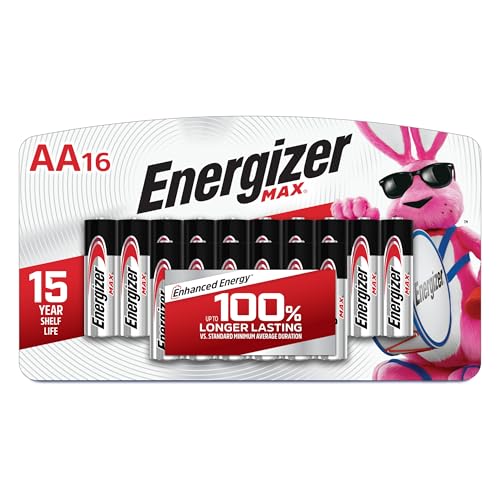
2. Energizer MAX AA, 16-count pack — the other safe pair of hands
- Model: E91LP-16
- Chemistry: alkaline, 1.5 volts nominal
- Pack size on this listing: 16 cells
Energizer’s MAX line is the direct rival to Coppertop, positioned as the brand’s long-lasting everyday alkaline. The sixteen-count pack, model E91LP-16, is a sensible middle size: enough cells to cover a typical household’s remotes, controllers and torches for a good stretch, without committing to a carton that will sit ageing in a cupboard. Energizer designs the MAX range to hold power in storage for years and to protect devices against leakage from fully used cells for a stated period after use. If your household gets through AA cells at a moderate pace, this pack size from a fresh-stock seller is arguably the most balanced purchase on this page.
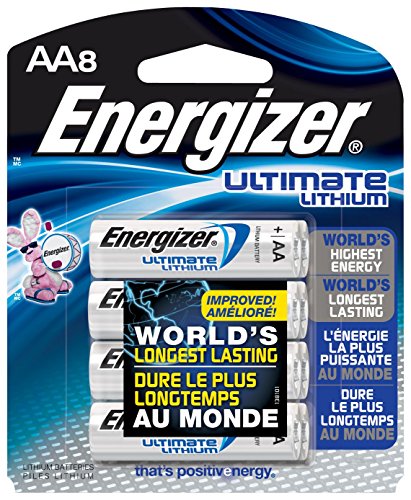
3. Energizer Ultimate Lithium AA, 8-count pack — for cameras, cold weather and long rests
- Model: L91BP-8
- Chemistry: lithium iron disulfide, 1.5 volts nominal
- Pack size on this listing: 8 cells
Some devices punish alkaline cells: camera flashes that recycle slowly, trail cameras that must work through winter, smart locks on an exposed door, and emergency torches that sit unused for years and then must work first time. That is the territory of Energizer’s Ultimate Lithium AA, model code L91. The manufacturer’s data sheet for the L91 cell rates it at about three thousand milliamp-hours, gives an operating range running from deep sub-zero cold to high summer heat, and describes a cell roughly a third lighter than a standard alkaline AA. The eight-count pack, L91BP-8, is the practical way to buy it: lithium cells cost more per cell than alkaline, so a modest pack for the few devices that truly benefit keeps the purchase sensible. This is also the cell several camera and outdoor brands name directly in their manuals, which makes the brand store and major marketplaces the safest channels for it, since counterfeit lithium cells do exist.
4. Panasonic eneloop AA, 4-count pack — the rechargeable route
- Model: BK-3MCCA4BA
- Chemistry: nickel-metal hydride rechargeable, 1.2 volts nominal
- Pack size on this listing: 4 cells
If your household runs game controllers, wireless mice, camera flashes or children’s toys that eat batteries weekly, rechargeables change the maths of where to buy: the charger and cells become a system you purchase once and top up occasionally. Panasonic’s eneloop is the best-known name in low self-discharge nickel-metal hydride cells. The standard eneloop AA, model BK-3MCCA4BA, is rated by Panasonic for up to about two thousand one hundred recharge cycles, and the maker says the cells retain most of their charge after long storage and arrive pre-charged, so they work straight from the pack. The four-count pack is a starter size; add a quality individual-cell charger from the same purchase if you do not already own one. Buy eneloop cells from an authorised retailer or the brand’s marketplace storefront, because this line is a frequent counterfeit target.
A simple buying plan, by household type
If you use AA batteries lightly, a handful of remotes and a clock or two, buy a modest alkaline pack from whichever large retailer you already use, check the date code when it arrives, and reorder when the pack runs low rather than stockpiling. If you use them heavily, through toys, controllers and work gear, the warehouse club or a bulk marketplace listing earns its place, and a rechargeable system for the hungriest devices will cut the pile of dead cells dramatically. If your critical devices live outdoors or in the cold, standardise on lithium AA for those devices specifically and buy them from the brand store or a major retailer. And wherever you buy, keep one small sealed emergency pack from a local shop within reach, because the best place to purchase AA batteries at midnight is the place that is open at midnight.
Frequently asked questions
Is it safe to buy AA batteries from third-party marketplace sellers?
It can be, but the risk sits with storage and authenticity rather than the product itself. Prefer listings sold or shipped by the platform or the brand’s own storefront, read recent reviews for comments about date codes and dead cells, and avoid loose or unsealed packs. On arrival, check the printed date and the seals before the return window closes.
How long can I store AA batteries before they go bad?
Follow the date printed on the pack. Branded alkaline cells carry storage guarantees measured in years, twelve years in the case of the Duracell Coppertop listing above. Lithium AA cells store even longer according to their manufacturer. Store all of them at ordinary room temperature, away from heat sources, and never in a hot car or garage roof space, because heat is the fastest way to shorten a cell’s life.
Should I buy alkaline, lithium or rechargeable AA batteries?
Buy alkaline for low-drain and everyday devices, lithium for high-drain devices, cold environments and long-idle emergency gear, and rechargeable nickel-metal hydride for the small set of devices you use constantly. Many households end up with a mix: alkaline in the drawer, lithium in the outdoor gear, rechargeables in the controllers.
Why did my new batteries die so quickly?
The usual causes are old stock, heat-damaged stock, a device with a fault that drains cells continuously, or mixing one weak cell with fresh ones so the weakest cell drags the set down. Replace cells in a device as a full set, buy from a high-turnover seller, and if a device keeps killing fresh branded cells, suspect the device rather than the batteries.
Bottom line
There is no single best place to purchase AA batteries for everyone, and any guide that names one shop without asking how you use batteries is skipping the important part. Match the channel to your usage: marketplaces and brand stores for choice and freshness you can verify, warehouse clubs for genuine bulk use, hardware stores for professional alkaline lines, electronics retailers for rechargeable systems, and the local drugstore for emergencies. Run the six checks, date, chemistry, pack size, packaging, returns and, for rechargeables, the charger, and the specific cells above will serve you well wherever you buy them.









