Our Short List of 3
All 4 Picks at a Glance
| Product | Specs | Action |
|---|---|---|
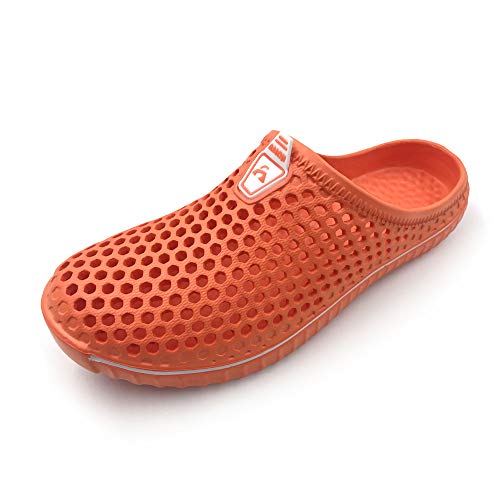 Amoji Garden Clogs (Model 1702) | Check price on Amazon | |
 Crocs Classic Clog | Check price on Amazon | |
 Sloggers Waterproof Garden Clogs for Women | Check price on Amazon | |
 MUCK Women’s Muckster II Low | Check price on Amazon |
Key takeaways
- Ventilated clogs and waterproof slip-ons compared: garden shoes for summer judged on airflow, drainage, traction and how each upper copes with summer heat.
As an Amazon Associate, we earn from qualifying purchases made through links on this page.
Summer gardening asks two opposite things from a shoe. On a hot, dry afternoon you want air moving across your feet and a shoe that dries in minutes after a rinse. On a dewy morning, or when you are dragging a hose across soaked beds, you want water kept out completely. No single construction does both jobs perfectly, so this roundup groups four garden shoes by how the manufacturer builds them for warm weather: two open, ventilated foam clogs that shed water as fast as it arrives, and two closed waterproof slip-ons that keep feet dry, one of them with a breathable lining to manage heat.
Every pick below is a genuine garden shoe sold on Amazon US, and every specification comes from the manufacturer or the product listing itself: upper material, ventilation and drainage design, water protection, outsole pattern and fit range. Where a design has a real warm-weather weakness, such as a closed upper that traps heat or a neoprene bootie with a published comfort ceiling, that limit is stated in the open rather than glossed over.
What to look for in garden shoes for summer
Ventilation versus waterproofing. This is the core trade-off. Perforated foam clogs move air freely and drain water through the same ports, but those ports also let in soil, mulch and grit, and your feet get wet by design. A closed waterproof upper keeps dew, mud and hose spray out, yet it also keeps heat in. A breathable lining inside a waterproof shoe is the middle path: it wicks moisture and lets air circulate inside the bootie, but it cannot match the airflow of an open clog.
Quick-drying materials. Closed-cell foams such as EVA and Crocs Croslite absorb almost no water, so the shoe itself dries quickly and can be hosed clean. Neoprene and rubber uppers also shrug off water, but linings and footbeds take longer to dry once damp. For daily summer use, a shoe you can rinse and leave by the door beats one that stays soggy until noon the next day.
Outsole grip and self-cleaning tread. Wet grass, slick decking and mud call for rubber outsoles with lugs that bite and then shed soil. Muck Boot calls its Muckster II tread self-cleaning for exactly this reason. Smooth foam soles are fine on dry paths but lose bite on wet slopes, and foam tread wears down faster than rubber lugs.
Security on the foot. A pivoting heel strap, as fitted to the Amoji and Crocs clogs, keeps a slip-on from sliding off when you step out of mud or work on a slope. Low slip-ons without a strap are quicker to kick off at the door but can pull loose in deep soil. A pull tab and a snug topline, like the Muckster II uses, are the closed-shoe equivalent.
Fit and sizing. Summer feet swell in heat, and many gardeners work in thin socks or none. Roomy clog fits forgive that; snug neoprene booties do not. Unisex models are sold in combined sizing, so check the conversion on the listing before ordering, and note that several of these lines run in whole sizes only.
Heat limits. Manufacturers sometimes publish them. The Muckster II line carries a comfort range that tops out at 65 degrees Fahrenheit, and Crocs warns against leaving its foam clogs in extreme heat or intense sunlight for long stretches. Treat those notes as part of the spec sheet, because they describe exactly the conditions summer gardening creates.
Amoji Garden Clogs (Model 1702)
The Amoji 1702 is the most open shoe in this roundup: a one-piece EVA clog with ventilation holes punched across the upper, a pivoting heel strap and a textured footbed. The holes do double duty in summer. Air passes through them as you move, and water from watering, rinsing or a sudden shower drains straight back out instead of pooling around your toes. The EVA body absorbs no water, so a pair hosed down after a muddy session is dry and ready again quickly.
Amoji sells the 1702 in combined women and men sizing, and the clog shape is roomy enough for bare feet or thin summer socks. The heel strap flips forward when you want a loose slide and back when you need the shoe held on for slopes or wet grass.
Who it suits: gardeners whose summer work involves constant water — watering cans, drip lines, washing harvest — and anyone who finds closed shoes unbearable in heat. It is also the easiest shoe here to keep clean.
Limitations: the same ports that drain water admit soil, mulch and small stones, so in dry, dusty beds you will stop to shake them out. The foam sole is thinner than the rubber outsoles below, which means less protection if you step on a thorn or a tool edge, and less grip once the tread wears. Sizing is unisex and whole-size only, so half-size feet have to choose which way to round.
Crocs Classic Clog
The Crocs Classic is the benchmark ventilated clog. It is molded from Croslite, the brand’s closed-cell foam compound, with ventilation ports across the toe box and sides that, in Crocs’ own description, add breathability and help shed water and debris. A pivoting heel strap gives the same two wearing modes as the Amoji, and the fit is noticeably roomy, which suits feet that swell on hot afternoons.
Crocs describes the Classic as easy to clean with soap and water and quick to dry, and the one-piece construction has no seams, linings or glued parts to trap moisture. The size range is the widest in this roundup, in unisex sizing with many colours, and the roomy last is the friendliest option here for wide feet.
Who it suits: all-round summer yard work — mowing, weeding, trips between house and garden — especially for wide feet or anyone who wants one shoe for the garden, the washdown area and the doorstep.
Limitations: like the Amoji, the open ports let soil in and let water reach your feet; this is a water-friendly shoe, not a waterproof one. The foam outsole tread is shallower than a lugged rubber sole and wears smooth with heavy use, reducing grip on wet slopes. Crocs also warns against exposing the clogs to extreme heat or intense sunlight for extended periods, so a pair left baking on a sunny patio can suffer — store them in shade.
Sloggers Waterproof Garden Clogs for Women
Sloggers takes the opposite approach: a fully closed, waterproof clog built to keep water out rather than drain it. The upper is a flexible waterproof material over the brand’s premium comfort insole, which Sloggers shapes with arch support, and the outsole carries a deep lug tread for mud and wet grass. The clog is made in the USA, and the women’s line comes in a wide spread of prints and solid colours.
For summer, the case for the Sloggers is about mornings and water management rather than airflow. Dew-soaked lawns, irrigation runs and washing down tools all leave closed-shoe feet dry while clog wearers are soaked through the ports. The supportive insole also matters in summer, when long sessions of standing, kneeling and walking add up on hard ground.
Who it suits: gardeners who work early while the garden is wet, who water heavily, or who simply dislike wet feet, and who want more underfoot support than a foam clog gives.
Limitations: there are no ventilation ports, so on hot afternoons this is the warmest shoe in the roundup; the closed upper that keeps water out also keeps heat in. This clog is a women’s line, and the fit runs narrower than the roomy foam clogs, which will not suit wide feet. The solid construction is also stiffer and heavier than the EVA picks.
MUCK Women’s Muckster II Low
The Muckster II Low (model M2LW-9PLD) is a proper shoe rather than a clog: a 4 mm neoprene bootie with a high-grade rubber overlay that Muck rates as 100 percent waterproof, a self-cleaning rubber outsole built for lawn and garden work, and a low slip-on shape with a pull tab. Its warm-weather credential is the lining. Muck fits a breathable Airmesh lining that wicks humidity and perspiration and lets air travel through the bootie, and the bioDEWIX footbed insert adds NZYM treatment for odour control and moisture management — a thoughtful spec for a shoe worn daily in summer.
The result is the most protective shoe here: sealed against mud and puddles, with a rubber outsole that grips and then sheds soil, and a snug topline that keeps debris from dropping in over the collar. For saturated beds, compost work and wet-season storms it is in a different class from the clogs.
Who it suits: gardeners whose summer plots stay wet or muddy, anyone working around compost, ponds or livestock water, and those who want a closed shoe with real traction rather than a clog.
Limitations: Muck publishes a comfort range for the Muckster II line that runs from subfreezing up to 65 degrees Fahrenheit. The Airmesh lining helps, but neoprene is an insulating material, and on the hottest days this shoe will feel warm — it is a wet-weather summer shoe, not a heat-wave shoe. The low collar also lets mulch and grit in from above when you kneel in loose soil, and the snug bootie fit leaves little room for thick socks.
Comparison table
| Shoe | Upper | Airflow and drainage | Water protection | Outsole | Best for |
|---|---|---|---|---|---|
| Amoji Garden Clogs 1702 | EVA foam, perforated | Open ports drain water and pass air | Water-friendly, feet get wet | Textured EVA | Constant watering, hottest days |
| Crocs Classic Clog | Croslite foam, perforated | Ports shed water and debris | Water-friendly, feet get wet | Foam tread, roomy fit | All-round yard work, wide feet |
| Sloggers Waterproof Garden Clogs | Closed waterproof upper | No ports, no drainage | Fully waterproof | Deep lug tread | Wet mornings, hose work, support |
| MUCK Muckster II Low | 4 mm neoprene and rubber | Airmesh lining wicks moisture | 100 percent waterproof | Self-cleaning rubber lugs | Mud, saturated beds, compost work |
Frequently asked questions
Are ventilated clogs or waterproof shoes better for summer gardening?
It depends on when your garden is wettest. If most of your work happens in dry heat with watering from cans and hoses, a ventilated clog keeps feet cooler and dries in minutes. If you garden early on dew-covered ground or your beds stay saturated, a waterproof shoe keeps feet dry, and a breathable lining such as Muck’s Airmesh reduces the heat penalty.
What does water-friendly mean, and how is it different from waterproof?
A waterproof shoe, like the Sloggers clog or the Muckster II, is built to stop water reaching your foot. A water-friendly shoe, like the Amoji or the Crocs Classic, is built from materials that water does not damage and that drain and dry quickly — but your feet get wet while you wear them. Both approaches are valid in summer; they solve different problems.
How should garden shoes fit in hot weather?
Feet swell in heat, so a summer garden shoe should have a little room in the toe box, especially in closed styles. Unisex clogs are sold in combined sizing, so confirm the conversion for your size on the listing, and remember that several garden lines come in whole sizes only. A heel strap or a snug topline matters more than usual in summer because wet feet slide inside loose shoes.
How do I clean and dry summer garden shoes?
Foam clogs rinse clean under a hose and dry fastest left in shade with air moving around them; Crocs specifically warns against long exposure to intense sunlight and extreme heat. Waterproof shoes should be rinsed, then dried at room temperature with the footbed removed where the design allows, so linings dry fully between uses.
Is a neoprene garden shoe too hot for summer?
It depends on the day. The Muckster II’s breathable Airmesh lining is designed to move moisture and air, and the shoe is a sound choice for wet summer work. But Muck publishes a comfort ceiling of 65 degrees Fahrenheit for the line, so for dry work on the hottest afternoons a perforated clog will feel cooler. Many gardeners end up owning one of each style for exactly this reason.
Conclusion
For most summer gardeners, the ventilated clogs are the default: the Amoji 1702 for maximum airflow and drainage at the potting bench, and the Crocs Classic for a roomier fit and the widest size range. When the work is wet rather than hot, the closed shoes earn their place — the Sloggers clog for waterproof slip-on convenience with a supportive insole, and the Muckster II Low for mud, compost and saturated ground, with a breathable lining to take the edge off the heat. Match the shoe to the wettest hour of your gardening day and the summer trade-off between airflow and waterproofing resolves itself.