
Our Short List of 3
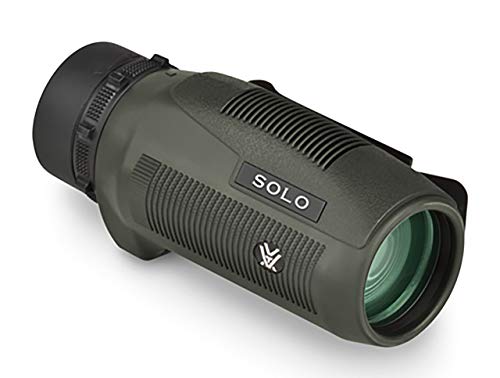
- Best for: Hikers and bird watchers who want one tough monocular for years of use. Watch out for: No tripod or phone adapter is included, so budget for one if you want steady 10x viewing.
- Specs:
- 10x magnification with a 36 mm objective lens
- Fully multi-coated lenses with a roof prism
- Field of view of 325 feet at 1,000 yards
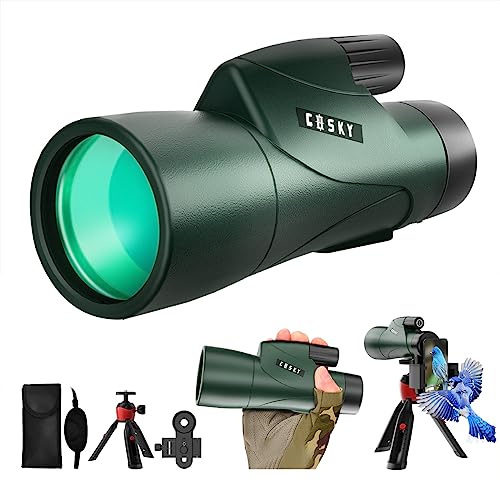
- Best for: Bird watchers and travelers who want the most reach for the money. Watch out for: Handheld shake is real at 12x, so use the included tripod for anything beyond a quick look.
- Specs:
- 12x magnification with a 55 mm objective lens
- 18 mm BAK-4 prism with fully multi-coated optics
- Field of view of 352 feet at 1,000 yards

- Best for: Low-light viewing and buyers who want the biggest objective on a budget. Watch out for: No waterproof or fog-proof claim is stated on the listing, so keep it out of heavy rain.
- Specs:
- 12x magnification with a 60 mm objective lens
- 21 mm BAK-4 prism with fully multi-coated glass
- Field of view of 325 feet at 1,000 yards
All 5 Picks at a Glance
| Product | Specs | Action |
|---|---|---|
| Vortex Solo 10×36 |
| Check price on Amazon |
| Gosky 12×55 HD |
| Check price on Amazon |
| Pankoo 12×60 HD |
| Check price on Amazon |
 Wingspan Optics Explorer 12×50 |
| Check price on Amazon |
 Gosky Titan 12×50 |
| Check price on Amazon |
Key takeaways
- Searching for the best monocular binocular? Compare 5 single-barrel optics for hiking, birding and travel, by magnification, glass and weather sealing.
Shoppers who type “monocular binocular” usually want one thing: the reach of binoculars in a single barrel they can hold in one hand and slip into a pocket. The real decision is not between two barrels and one, but between magnification and stability. A 12x monocular pulls distant birds and ridge lines closer, yet it also magnifies every tremor in your hand, while a 10x model with a wider field of view is easier to aim and steadier to hold. Objective size decides how much light reaches your eye, which matters most at dawn, dusk, and under tree cover.
This guide is for hikers, bird watchers, sports fans, and travelers who want a compact optic without carrying full-size binoculars. The five monoculars below were chosen from names and specifications on their Amazon product pages, covering the spread from a premium pocket model with a lifetime warranty to budget 12x optics with tripods and phone adapters included.
Quick Picks
As an Amazon Associate we earn from qualifying purchases
| Product | Best for | Key spec from title |
|---|---|---|
| Vortex Solo 10×36 | Everyday carry and rough use | 10×36 monocular |
| Gosky 12×55 HD | Maximum reach on a budget | 12×55 HD monocular |
| Pankoo 12×60 HD | Low light and wide objective | 12×60 HD monocular |
| Wingspan Optics Explorer 12×50 | One-hand focusing on the trail | 12×50 monocular |
| Gosky Titan 12×50 | Waterproof value with a tripod | 12×50 monocular |
How to Choose
Magnification and objective size
Magnification and objective diameter work as a pair, and neither number tells the whole story alone. A 10×36 monocular gives a steadier image and a wider view than a 12×55, which is why many bird watchers prefer 10x for tracking moving subjects. A 12x model with a 55 mm or 60 mm objective gathers more light, so it stays brighter at dawn and dusk, but it is heavier and harder to hold still. For handheld use, 10x to 12x is the practical range; anything above that belongs on a tripod. Check the exit pupil too, since a larger objective with the same magnification produces a bigger, brighter exit pupil.
Glass, prism and coatings
The glass and prism inside a monocular decide how much of the light actually reaches your eye in a usable form. BAK-4 prisms are the standard to look for, because they transmit more light and keep the image round at the edges, while cheaper BK-7 prisms can darken the corners. Fully multi-coated lenses cut glare and lift contrast, which shows up as cleaner edges on feathers, fur, and distant signs. ED glass appears only in premium models and reduces color fringing on bright edges. If a listing names neither the prism type nor the coating, treat the optic as a gamble rather than a bargain.
Field of view and close focus
Field of view decides how much ground you can scan without moving the optic, and it matters more than most buyers expect. A wide field, around 325 feet at 1,000 yards, makes it easier to find a bird in a tree or follow a player across a field, while a narrow field turns every search into a slow sweep. Close focus matters for butterflies, flowers, and insects: some monoculars focus down to a few yards, others stop at eight or ten. Eye relief is the third number to check, especially for glasses wearers, since short eye relief forces you to press the eyecup against your lenses.
Weather sealing, size and accessories
A monocular earns its keep outdoors, so weather sealing and carry size deserve the same attention as the optics. Look for waterproof and fog-proof construction with nitrogen purging, which keeps the inside dry when you move between cold air and warm rooms. Rubber armor protects the barrel from knocks and gives a secure grip in rain. Weight and length decide whether the optic actually travels with you: a 10-ounce model rides in a jacket pocket, while a 14-ounce model with a tripod belongs in a pack. A phone adapter and a small tripod turn a 12x monocular from a shaky handheld into a steady spotting scope.
The 5 Best Options
Vortex Solo 10×36
- Best for: Hikers and bird watchers who want one tough monocular for years of use. Watch out for: No tripod or phone adapter is included, so budget for one if you want steady 10x viewing.
- Specs:
- 10x magnification with a 36 mm objective lens
- Fully multi-coated lenses with a roof prism
- Field of view of 325 feet at 1,000 yards
Hikers and bird watchers who want one tough monocular for years of use. Watch out for: No tripod or phone adapter is included, so budget for one if you want steady 10x viewing.
No tripod or phone adapter is included, so budget for one if you want steady 10x viewing.
The Solo 10×36 is the premium pick in this group and the one most likely to survive years of hard use. Its 10x magnification is steadier in the hand than any 12x rival here, and the 325-foot field of view at 1,000 yards makes it easy to find and follow moving subjects. Fully multi-coated lenses and a roof prism keep the image bright and crisp, while the rubber armor, utility clip, and adjustable eyecup suit gloves and glasses alike. Vortex backs it with an unlimited, unconditional warranty that covers damage as well as defects.
Gosky 12×55 HD
- Best for: Bird watchers and travelers who want the most reach for the money. Watch out for: Handheld shake is real at 12x, so use the included tripod for anything beyond a quick look.
- Specs:
- 12x magnification with a 55 mm objective lens
- 18 mm BAK-4 prism with fully multi-coated optics
- Field of view of 352 feet at 1,000 yards
Bird watchers and travelers who want the most reach for the money. Watch out for: Handheld shake is real at 12x, so use the included tripod for anything beyond a quick look.
Handheld shake is real at 12x, so use the included tripod for anything beyond a quick look.
The Gosky 12×55 HD is the reach-first choice, pairing 12x magnification with a large 55 mm objective that keeps the image bright for its class. Its 352-foot field of view at 1,000 yards is generous for a 12x optic, and the 18 mm BAK-4 prism with fully multi-coated glass holds detail at distance. The body is nitrogen-filled and rated IPX7 waterproof, so rain and river crossings are not a worry. A smartphone adapter and a small tripod come in the box, which matters because 12x is hard to hold steady by hand for long.
Pankoo 12×60 HD
- Best for: Low-light viewing and buyers who want the biggest objective on a budget. Watch out for: No waterproof or fog-proof claim is stated on the listing, so keep it out of heavy rain.
- Specs:
- 12x magnification with a 60 mm objective lens
- 21 mm BAK-4 prism with fully multi-coated glass
- Field of view of 325 feet at 1,000 yards
Low-light viewing and buyers who want the biggest objective on a budget. Watch out for: No waterproof or fog-proof claim is stated on the listing, so keep it out of heavy rain.
No waterproof or fog-proof claim is stated on the listing, so keep it out of heavy rain.
The Pankoo 12×60 HD carries the largest objective in this group, and that 60 mm front lens is its whole argument. It gathers more light than the 50 mm and 55 mm models here, which shows up as a brighter image in shade and at dusk, and its 5 mm exit pupil is the widest of the five. The 25 mm eyepiece and 21 mm BAK-4 prism give a comfortable view, and the fully multi-coated glass keeps contrast respectable for a budget optic. A smartphone adapter, tripod, hand strap, and bag are included, so it arrives ready to use.
Wingspan Optics Explorer 12×50
- Best for: Hunters and hikers who need to focus with one hand while moving. Watch out for: No tripod or phone adapter is listed with it, and the field of view is the narrowest in this group.
- Specs:
- 12x magnification with a 50 mm objective lens
- Waterproof and fog-proof body
- Single-hand focus
Hunters and hikers who need to focus with one hand while moving. Watch out for: No tripod or phone adapter is listed with it, and the field of view is the narrowest in this group.
No tripod or phone adapter is listed with it, and the field of view is the narrowest in this group.
The Wingspan Optics Explorer 12×50 is built around one-hand use, with a single-hand focus wheel that lets you track a subject without taking your other hand off a rail, a branch, or a walking pole. Its 12x magnification and 50 mm objective give a bright, clear daytime image, and the body is waterproof and fog-proof for trail use. At 14 ounces it is light enough to carry all day, and the 246-foot field of view at 1,000 yards is narrower than the Gosky models, which suits deliberate scanning more than fast tracking.
Gosky Titan 12×50
- Best for: Glasses wearers and budget buyers who want a sealed 12x monocular. Watch out for: Field of view figures for this model vary across listings, so expect around 289 feet rather than the widest numbers quoted elsewhere.
- Specs:
- 12x magnification with a 50 mm objective lens
- BAK-4 prism with fully multi-coated optics
- Field of view of 289 feet at 1,000 yards
Glasses wearers and budget buyers who want a sealed 12x monocular. Watch out for: Field of view figures for this model vary across listings, so expect around 289 feet rather than the widest numbers quoted elsewhere.
Field of view figures for this model vary across listings, so expect around 289 feet rather than the widest numbers quoted elsewhere.
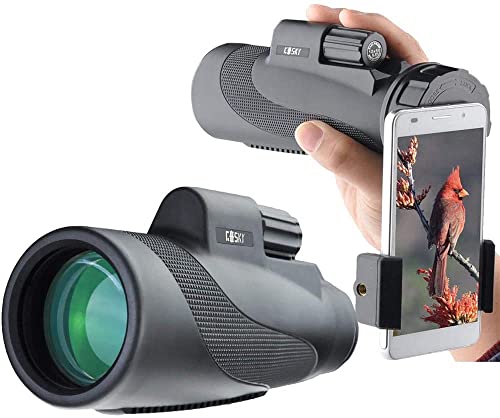
The Gosky Titan 12×50 is the waterproof value pick, matching the Explorer on magnification and objective size while adding full weather sealing at a budget price. Its BAK-4 prism and fully multi-coated lenses deliver a sharp daytime image, and the 289-foot field of view at 1,000 yards sits between the wide Gosky 12×55 and the narrower Explorer. The body is waterproof, fog-proof, and shockproof, with 17 mm of eye relief that works better with glasses than most budget monoculars. A smartphone holder and tripod are included in the box.
Which One Fits Your Situation
You hike and travel light
Pick the Vortex Solo 10×36. It is the lightest premium option here, it clips to a strap or pocket, and its warranty means a drop on a rocky trail is not the end of the optic. The 10x magnification stays steadier than 12x when you are tired, and the waterproof, fog-proof body handles rain and river mist without a second thought.
You watch birds at dawn and dusk
Pick the Pankoo 12×60 HD. Its 60 mm objective and 5 mm exit pupil gather the most light of the five, so silhouettes stay readable when smaller monoculars go dark. Use the included tripod for long watches at a feeder or a shoreline, since 12x shake is worst when the light is low and your arms are cold.
You want the most reach for the least money
Pick the Gosky 12×55 HD. It combines 12x magnification with a 55 mm objective, an IPX7 sealed body, and a tripod and phone adapter in the box. Its wide 352-foot field of view also makes it the easiest 12x model here to aim, which matters when you are scanning a hillside for wildlife.
You focus with one hand on the move
Pick the Wingspan Optics Explorer 12×50. Its single-hand focus wheel lets you adjust while your other hand steadies you on a slope or holds a walking pole. The waterproof body and 14-ounce weight suit all-day carry, and the 2.5-meter close focus helps when a butterfly or flower catches your eye.
Common Mistakes
- Buying the highest magnification available and ending up with an image too shaky to use without a tripod.
- Ignoring objective size, then wondering why a compact monocular goes dark at dusk.
- Skipping the tripod and phone adapter for a 12x model, which turns every long look into a wobble.
- Assuming every “waterproof” claim is equal, when only nitrogen-purged, IPX-rated bodies are sealed against fog and rain.
- Expecting a monocular to replace a telescope for astronomy, when its small aperture limits what it can show of the night sky.
Frequently Asked Questions
Is a monocular better than binoculars?
It depends on how you use it. A monocular is lighter, smaller, and faster to pull out with one hand, which suits hiking, travel, and quick checks at a game or concert. Binoculars give a more relaxed two-eye view with better depth perception and less eye strain on long watches. For hours of watching, binoculars win; for all-day carry and short looks, a monocular is easier.
What magnification is best for a monocular?
For handheld use, 10x to 12x is the practical range. A 10x monocular is steadier and has a wider field of view, which makes it easier to find and follow subjects. A 12x monocular brings distant detail closer but magnifies hand shake, so it works best with a tripod or a brace against a solid surface. Magnification above 12x is rarely usable by hand and belongs on a tripod.
Can I use a monocular with glasses?
Yes, provided the eye relief is long enough. Look for at least 14 mm of eye relief, and use a monocular with a twist-up or adjustable eyecup that you can set to the right height for your glasses. The Gosky Titan 12×50 lists 17 mm of eye relief, which is the most generous figure in this group. Short eye relief crops the edges of the view.
Do I need a tripod for a 12x monocular?
For anything longer than a quick glance, yes. At 12x, every tremor in your hands is magnified twelve times, and the image will wobble enough to tire your eyes. A small tabletop tripod, like the ones included with the Gosky 12×55, the Pankoo 12×60, and the Gosky Titan, steadies the view completely. For a 10x monocular such as the Vortex Solo, a tripod is helpful but not essential.









