
Our Short List of 3

All 4 Picks at a Glance
| Product | Specs | Action |
|---|---|---|
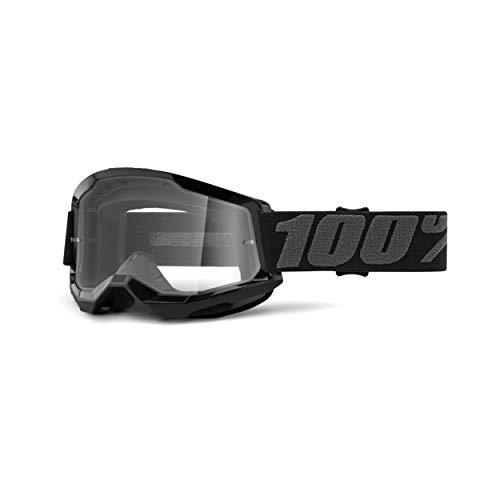
| 1. 100% Strata 2 — the anti-fog all-rounder most riders should start with | Check price on Amazon | |
 2. 100% Racecraft 2 — the race-day step up | Check price on Amazon | |
| 3. Leatt Velocity 5.5 Roll-Off — the dual-lens specialist for wet and cold days | Check price on Amazon | |
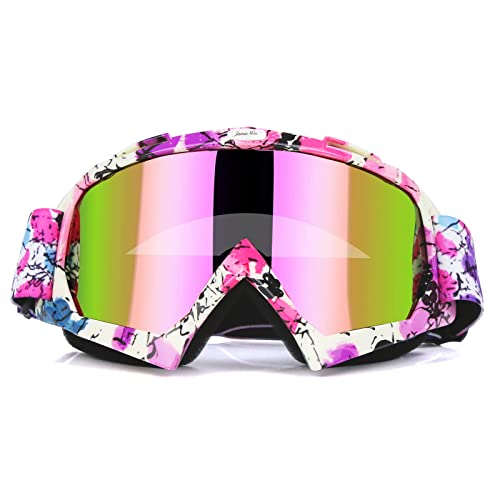 4. JAMIEWIN Motocross Goggles — anti-fog basics for casual riding and spares | Check price on Amazon |
Key takeaways
- Compare the best anti fog dirt bike goggles 2 picks, from the 100% Strata 2 and Racecraft 2 to Leatt Velocity 5.5 and JAMIEWIN, by lens, venting and foam.
As an Amazon Associate we earn from qualifying purchases.
Affiliate Disclosure: This article contains affiliate links. If you buy through a link on this page, we may earn a commission at no extra cost to you. Product details are taken from manufacturer and retailer listings, and we do not claim to have personally tested every goggle listed here.
Why fog is the real enemy on a dirt bike
Every dirt bike rider knows the moment. You are working hard on a slow, technical climb, your breathing is heavy, the air is cool or humid, and the inside of your lens starts to cloud over. You lift a hand to wipe it, smear mud across the surface, and lose the line you were trying to hold. Fogging is not a minor annoyance. On a motocross track or a wooded trail, a fogged lens means you cannot read ruts, roots, braking bumps or the rider in front of you, and that is a safety problem as much as a comfort problem.
Fog forms when warm, moist air from your face and breath meets a cooler lens surface. The harder you ride and the slower you move, the worse it gets, because there is less airflow to clear the moisture. Anti-fog goggles fight this in several ways at once: a chemical anti-fog coating on the inner lens, a dual-pane lens that insulates the inner surface, venting that moves air through the frame, and face foam that manages sweat before it evaporates into the goggle. No single feature wins on its own. The best anti fog dirt bike goggles combine several of them, and they keep working after the first lap, not just in the first five minutes.
This guide, the second in our anti-fog goggle series, compares four goggles that take different approaches to the same problem. Two come from 100%, the brand that dominates modern motocross eyewear lineups. One comes from Leatt, with a dual lens and a roll-off option built for wet conditions. One is a widely sold value pick from JAMIEWIN for riders who want anti-fog basics covered without a race-level feature set. All four are dirt bike goggles first, with anti-fog lens treatment as a stated feature on their listings, so nothing here is a ski goggle or a safety glass dressed up as motocross gear.
How we chose these goggles
We kept the selection rules simple and strict. Every pick had to be a genuine dirt bike or motocross goggle, designed to be worn with an off-road helmet. Every pick had to list an anti-fog treatment, an anti-fog coating, or a dual-pane or dual-lens design that serves the same purpose. Specifications quoted here, such as strap width, foam construction, lens material and retention systems, come from the manufacturer descriptions reproduced on the product listings. We did not invent test results, and we do not present any of these goggles as lab tested by us.
We also looked at the practical details that decide whether an anti-fog system keeps working over a season. Can the lens be replaced when it is scratched? Does the goggle share lenses with other models, which makes spares easier to find? Does the foam seal well enough to keep dust out without trapping so much heat that fog gets worse? Does the strap hold the frame evenly against the face inside different helmet eye ports? Those questions shaped the order below more than styling did.
The picks at a glance
For racing and serious track use, the 100% Racecraft 2 is the most complete package here, with outriggers, a nine-point lens retention system and a removable nose guard. For most riders, the 100% Strata 2 delivers the same anti-fog lens concept and the same shared lens platform in a simpler frame. For wet, cold or muddy conditions where a dual lens matters most, the Leatt Velocity 5.5 Roll-Off is the specialist. For casual trail riding and spare-goggle duty, the JAMIEWIN motocross goggle covers the anti-fog basics in a lightweight, flexible frame.
1. 100% Strata 2 — the anti-fog all-rounder most riders should start with
The Strata 2 is the second generation of 100% entry-level race goggle, and entry level is a misleading label. Its listing describes an anti-fog coated polycarbonate lens, which is the core technology this guide is about. The coating on the inner surface slows condensation, while the frame venting lets moving air carry moisture away when you are up to speed. The Strata 2, Racecraft 2 and Accuri 2 all use the same lens and tear-off platform according to 100%, which is a major ownership advantage: a spare clear lens, a tinted lens or a pack of tear-offs bought for one model fits the others.
Fit details matter for fog control, and the Strata 2 covers the essentials. A wide silicone-coated strap grips the helmet and keeps even tension, so the frame does not lift at the edges and leak cold air across the lens in patches, a common trigger for uneven fogging. The face foam seals against dust while wicking sweat. The lens is held securely enough for roost impacts, and the overall package is aimed at motocross and mountain bike use on the listing, both of which involve the same stop-start, high-effort riding that produces fog.
Who is it for? Trail riders and club racers who want a proven anti-fog lens, easy spares and a goggle that works in clear or mirrored lens form. The clear lens version is the sensible default for woods riding and overcast days, where a dark tint would make a dim trail harder to read. If you only buy one goggle from this list, this is the balanced choice.
2. 100% Racecraft 2 — the race-day step up
The Racecraft 2 sits above the Strata 2 in the 100% range and adds hardware aimed at faster, more aggressive riding. The manufacturer description lists improved fitment and seal with an increased field of view, dual-injected wide outriggers for a balanced fit, and a nine-point lens retention system that secures the lens in the frame. The lens is anti-fog coated polycarbonate, the same core treatment as the Strata 2, and the goggle supports triple-post tear-offs for race conditions where mud, not just fog, is the visibility problem.
The details that separate it are about stability at speed. Ultra-thick triple-layer face foam soaks up sweat, which matters for fog because sweat that reaches the lens area evaporates into the goggle interior. The strap is 45 millimetres wide and silicone coated for maximum grip, per the manufacturer description. A removable nose guard deflects roost and debris. The outriggers help the strap pull the frame evenly into the helmet eye port, keeping the seal consistent when the helmet moves, and a consistent seal means the venting works as designed instead of leaking randomly.
The Trinidad version listed here pairs the frame with a mirror blue lens. A mirrored lens is a strong choice for bright, open tracks, but remember that mirror coatings show scratches more readily and are less forgiving in flat light than a clear lens. Because the Racecraft 2 shares the Generation 2 lens platform with the Strata 2 and Accuri 2, you can add a clear spare lens for winter or night riding instead of buying a second complete goggle.
3. Leatt Velocity 5.5 Roll-Off — the dual-lens specialist for wet and cold days
Leatt approaches fog differently. The Velocity range is known for a wide, impact-tested lens and for permanent anti-fog treatment on the inner lens surface, and the 5.5 adds the features trail and enduro riders ask for in bad weather. This listing is the Roll-Off version in Royal with a clear lens, and the roll-off system is directly relevant to visibility: when mud films over the outside of the lens, a pull of the roll-off cord advances a clean film across it, so you are not wiping mud with a glove and grinding it into the coating.
The product information for this model lists polycarbonate and rubber in its construction, a one-size fit and a mountain biking and off-road application, which in practice means the same full-face helmet use as a motocross goggle. The Velocity 5.5 family is built around a self-draining frame concept and triple-layer foam in the manufacturer range description, both of which help in wet conditions: water and sweat are encouraged to leave the goggle rather than pool at the bottom of the frame where they evaporate onto the lens.
A clear lens, as fitted to this version, is the right call for the conditions where fog is worst. In low light, rain or deep woods, you need maximum light transmission, and a clear lens with a working anti-fog treatment will outperform a fashionable tint every time. The roll-off canisters do add width, so check that your helmet eye port accommodates them if you ride with a particularly tight-fitting helmet.
4. JAMIEWIN Motocross Goggles — anti-fog basics for casual riding and spares
Not every rider needs a race goggle. The JAMIEWIN motocross goggle is a long-running, widely sold design listed for ATV, dirt bike, motorcycle and UTV use, with anti-UV, dustproof and anti-fog positioning on its product page. The listing describes a flexible frame, breathable foam padding and a non-slip elastic strap, and other listings for the range cite a lightweight build. Treat it for what it is: a simple, single-lens goggle with an anti-fog claim, best suited to shorter rides, slower trail pace and fair weather, where fog pressure is lower.
There are honest trade-offs. A basic anti-fog coating on a value goggle will usually give up earlier on a humid day than the coatings and venting on the 100% and Leatt models above, and lens replacement ecosystems are thinner, so a scratched lens may mean replacing the whole goggle. On the other hand, that makes it a sensible second pair: keep one in the gear bag for a friend, a practice session or a dusty day when you do not want to risk a premium lens, and it doubles across ATV and UTV use.
Anti-fog technology, explained honestly
Anti-fog coatings are hydrophilic, meaning they attract water and spread it into a thin, transparent film instead of letting it bead into droplets that scatter light. That is why a coated lens can look slightly hazy yet still be far more readable than an uncoated lens covered in beads. Coatings wear out. Wiping the inner lens with a glove, washing it with strong detergents or storing the goggle wet in a sealed bag all shorten coating life. The correct care routine is boring but effective: shake off dirt, rinse gently if needed, blot rather than rub the inner lens, and air dry the goggle before storing it in its soft bag.
Dual-pane and dual-lens designs add insulation. Just like a double-glazed window, the air gap between two lens layers keeps the inner surface closer to the temperature of your face, so moisture is less likely to condense on it. This is the strongest passive anti-fog approach and it is why dual-lens goggles are popular for winter and enduro use. The trade-off is a little more weight and a lens that costs more to replace.
Venting is the active partner to both systems. Foam-covered vents at the top and bottom of the frame let warm air escape and cooler air enter as you move. Blocked vents, whether by mud, a helmet peak pressed down or aftermarket foam, quietly disable the system. When you clean your goggles, check the vent foam as carefully as the lens.
Finally, fit is an anti-fog feature. A goggle that seals evenly keeps your breath, which is directed upward by many helmet chin bars, from being funnelled straight inside. If your goggles fog instantly even at moderate effort, try adjusting strap tension and helmet venting before blaming the lens.
How to choose among these four
Start with your conditions. Bright, open motocross tracks reward the Racecraft 2 and its mirrored lens options, plus tear-off support for roost. Mixed trail riding rewards the Strata 2, with a clear lens and cheap, shared spares. Wet, cold and muddy riding rewards the Leatt Velocity 5.5 Roll-Off, where the dual-lens anti-fog approach and the roll-off film work together. Light, occasional riding rewards the JAMIEWIN, where the priority is simply having a serviceable anti-fog goggle in the bag.
Then think about spares. The 100% Generation 2 platform sharing between Strata 2, Accuri 2 and Racecraft 2 is a genuine cost saver over two or three seasons. Then think about light: most riders are best served by clear as the primary lens, because fog and low light so often arrive together, and a tint can be the spare rather than the default.
Care mistakes that kill anti-fog performance
Do not wipe the inner lens when it is wet with anything abrasive, including a muddy glove. Do not use household glass cleaner unless the manufacturer says it is safe for the coating. Do not leave goggles on a hot dashboard or radiator, which can damage foam and coatings. Do not store them face down. Do carry a soft microfibre bag, do dry them after every ride, and do replace a lens whose coating has visibly worn away in patches, because no care routine restores a dead coating.
Verdict
Fog is a systems problem, and the best anti fog dirt bike goggles treat it as one. The 100% Strata 2 is the balanced recommendation for most riders, the Racecraft 2 is the race-ready upgrade on the same lens platform, the Leatt Velocity 5.5 Roll-Off is the bad-weather specialist, and the JAMIEWIN is the practical spare. Choose by your conditions, keep the inner lens clean and dry, and clear vision stops being something you hope for and becomes something your gear delivers.









