We independently review everything we recommend. When you buy through our links, we may earn a commission. As an Amazon Associate we earn from qualifying purchases.
Best Desk Fans for Cool, Quiet Home Office Comfort
Compare the best desk fans for home offices and dorms, from quiet turbo circulators to clip-on models, with speed, noise and size advice inside.
A desk fan earns its place the first afternoon the office air conditioning loses to a warm laptop, a sun-facing window, and a long video call. Unlike a tower fan, a desk fan moves air exactly where you sit, and the good ones do it quietly enough to stay on during calls. The five fans below cover the main styles worth considering: a budget turbo circulator, a remote-controlled oscillating model, a compact vortex fan, a quiet modern table fan, and a clip-on fan for shelves and bunk beds. Each one suits a different desk, budget, and tolerance for noise.
As an Amazon Associate, we earn from qualifying purchases.
Quick answer
Most desks are best served by the Iris USA Woozoo, which pairs a remote and wide oscillation with a small footprint. The Honeywell TurboForce moves the most air for the least fuss, the Vornado 133 suits compact desks, the Dreo TurboPoly runs quietly for calls, and the Genesis clip fan fits shelves and bunks where flat space is gone.
The Honeywell TurboForce HT-900 is the classic budget circulator, and its appeal is simple: a small fan that moves a surprising amount of air. The head pivots through a wide range, from blowing straight ahead to pointing at the ceiling, which lets it work as a personal fan on the desk or as a circulator that bounces air off the ceiling for gentler, room-wide movement.
Three speed settings cover most situations. The lowest is calm enough for a desk near a microphone, while the top setting produces a strong, direct stream that cools fast after a commute or a workout. The body is compact, the handle makes it easy to move between rooms, and the back panel can be wall mounted if desk space is truly tight.
What it does not do is oscillate, and there is no remote or timer, so changing settings means reaching for the dial. On the highest speed it is also the loudest fan in this group. None of that matters much if the goal is strong airflow at a low cost, and for a home office, garage desk, or dorm room, the TurboForce remains the straightforward pick.
Iris USA Woozoo Air Circulator Fan with Remote, Black
Runner-Up
Iris USA Woozoo Air Circulator Fan with Remote, Black
The Iris USA Woozoo is the fan to pick when convenience matters as much as airflow. Its rounded body sits neatly on a desk corner, and a remote control handles power, speed, and oscillation, so adjusting it mid-call does not mean leaning across the desk. Few fans this size bother with a remote at all.
Oscillation is the other strength. The head sweeps side to side and can tilt upward, spreading air around a desk area instead of blasting one spot, and there are three speeds plus a natural breeze mode that varies the rhythm. A timer lets it switch itself off after you leave or fall asleep, which suits bedroom desks and dorm rooms.
The trade-offs are modest. Airflow is gentle compared with the Honeywell, so it is a comfort fan rather than a rapid cool-down tool, and the remote is one more small object to keep track of. The compact body also means it works best close to where you sit. For a shared office or anyone who adjusts fan settings constantly, the Woozoo is the most polished option here.
The Vornado 133 takes a different approach from a conventional desk fan. Instead of a wide grille pushing air in a loose cone, its deep-pitched blades and spiral grille create a tight vortex beam that travels across the room, hits the far wall, and circulates back. Placed in a corner of the desk, it can keep air moving through a whole small office.
Two speed settings keep the controls as simple as they get, and the head tilts to aim the beam. The housing feels dense and well finished for its size, with none of the flex or rattle common in budget plastic fans, and the compact footprint leaves room for a monitor and keyboard on smaller desks.
Simplicity is also the limitation. There is no oscillation, no remote, and no timer, and the focused beam means people sitting off to the side feel less of the effect than with an oscillating fan. It also costs more than basic table fans of similar size. Buyers who want steady circulation in a small room, and who value build quality over features, will find the 133 easy to live with.
The Dreo TurboPoly Table Fan 307 is built for desks where the fan has to share space with a monitor, a laptop, and a person on calls all day. It uses a turbo circulator design that throws a focused stream a long way for its size, so it can sit at the back of the desk and still reach you, rather than crowding the front edge.
Multiple speed settings let it run from a barely-there background breeze to a strong cooling stream, and the head tilts and oscillates to spread air around a workspace. The styling is modern and tidy, with clean lines that look at home next to current laptops and monitors, and the grille comes off for cleaning, which matters more than most people expect once dust builds up.
It sits at the higher end of this group on features rather than raw simplicity, and like most circulators it works best aimed thoughtfully rather than left pointing at a wall. There are also more settings to learn than on a basic two-speed fan. For a permanent home office desk where quiet running and a neat appearance both matter, the TurboPoly is the most complete package here.
Genesis 6-Inch Clip Convertible Table-Top and Clip Fan, Black
Genesis 6-Inch Clip Convertible Table-Top and Clip Fan, Black
The Genesis 6-inch clip fan solves the problem the other four cannot: a desk with no flat space left. Its heavy-duty clip clamps onto a shelf edge, a headboard, a cubicle divider, or the side of a desk, and the head tilts and rotates so the airflow lands where it is needed. Unscrew the clip base and it converts into a small table fan.
Two speed settings and a compact 6-inch blade keep expectations realistic. This is a personal fan for one person sitting close by, not a room cooler, and at close range on the higher speed it is easy to hear. The clip needs a sturdy edge of reasonable thickness to grip, so glass shelves and very thick desk tops can be a poor match.
Within those limits, it is genuinely useful. Bunk beds, workshop benches, kitchen counters, and cramped cubicles are all places a normal desk fan cannot go, and the Genesis runs happily in all of them. If your workspace is short on surface but long on heat, it is the only pick in this roundup that fits, and it does the job without fuss.
How to choose
Start with where the fan will live. A fan that sits on the desk needs a small footprint and a stable base, while a clip fan suits shelves and bunks. Measure the space before ordering, because a circulator that crowds your monitor arm will annoy you daily.
Next, think about airflow style. Circulator fans such as the Honeywell and Vornado throw air a long way and stir a whole small room, which suits stuffy offices. Oscillating fans spread a gentler breeze over a wider area, which suits shared desks. For a single person at a single desk, a focused stream usually feels coolest.
Noise is the third factor, and it matters most on calls. Fans with more speed settings are easier to tune to a level a microphone tolerates, and a remote saves you reaching across the desk mid-meeting. Finally, check the extras you will actually use: timers help in bedrooms, tilting heads help everywhere, and a removable grille makes the twice-a-year clean much easier. Power is simple here, since all five plug into a standard outlet rather than relying on a battery.
Who should skip
Skip a desk fan if your room needs real cooling rather than moving air. A fan lowers how warm you feel, not the temperature of the room, so a hot, sealed office may need air conditioning or a ceiling fan instead. Skip one, too, if your desk already sits in the path of a good tower fan.
Light sleepers using a bedroom desk should also think twice about the louder budget models, and anyone whose workspace is a laptop tray on the couch has no stable surface for any of these. A wearable or USB fan fits that life better.
Frequently asked questions
Will a desk fan be too loud for video calls?
On the lowest setting, most desk fans sit comfortably below the level a decent microphone picks up as a problem, especially placed a few feet away and aimed at you rather than at the microphone itself. Higher speeds are a different story. If you take calls all day, favor a fan with several speeds and a remote, so you can drop it to low without leaving your chair.
What size desk fan do I need for a small desk?
For a small desk, look at the footprint before the blade size. Compact circulators in the 6 to 9 inch class usually give the best balance of airflow and space, and a tilting head lets a small fan do the work of a bigger one. If there is no flat space at all, a clip fan on a shelf edge is the honest answer.
Can a desk fan cool a whole room?
A fan cannot lower the temperature of a room, but a circulator can even it out. By keeping air moving, it spreads cooler air from a vent or window and removes the pocket of warm air that builds up around a desk full of electronics. For a small office or bedroom that is often enough. For a large or sun-baked room, treat the desk fan as personal comfort and look at room cooling separately.
How often should I clean a desk fan?
Dust builds up on blades and grilles faster than most people expect, and a dirty fan moves less air and sounds rougher. Wipe the grille every few weeks in a dusty room, and do a proper clean each season: unplug the fan, remove the grille if the design allows it, and wash or wipe the blades. Fans with removable grilles, like the Dreo, make this a five-minute job.
Final verdict
For most desks, the Iris USA Woozoo is the easiest fan to live with, thanks to its remote, oscillation, and small footprint. The Honeywell TurboForce is the value pick for raw airflow, the Vornado 133 suits small rooms that need steady circulation, the Dreo TurboPoly is the quiet, tidy choice for a permanent home office, and the Genesis clip fan covers the shelves and bunks the others cannot reach. Match the fan to your space and your call schedule, and any of the five will make a warm desk far more bearable.
E
Emubox Editorial Team
We compare specs, materials and verified owner reviews before a product earns a spot. Rankings are never paid.
Affiliate disclosure. As an Amazon Associate we earn from qualifying purchases at no extra cost to you. Prices accurate as of the date shown.
Best 2mm 70 cm portable antennas compared: telescopic radio antennas near 70 cm, with connectors, bands and collapsed sizes explained before you buy today.
Find the best thermostat setting for winter and summer, with energy-saving setbacks, humidity tips, and smart schedules for a comfortable home year-round.
The best affordable business computer monitors balance sharp text, eye comfort and lasting value. Compare four reliable office displays built for long workdays.
Looking for the best inexpensive HD TVs non smart? Compare five genuinely non-smart HD televisions with tuners, HDMI inputs and simple setup for any small room.

 Honeywell TurboForce Fan HT-900
 Iris USA Woozoo Air Circulator Fan with Remote, Black
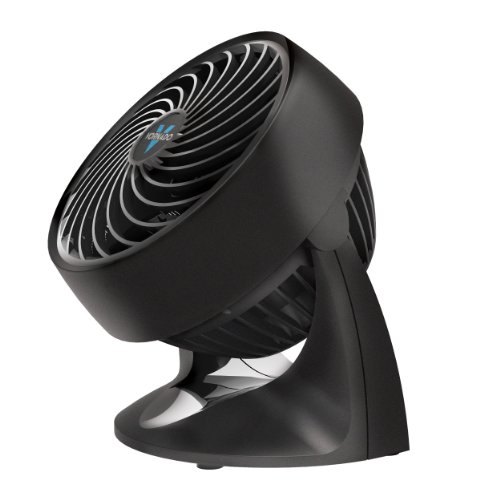 Vornado 133 Small Room Air Circulator Fan, Black
 Dreo TurboPoly Table Fan 307, Black
 Genesis 6-Inch Clip Convertible Table-Top and Clip Fan, Black









